RSS

Mortgage Renewals - How to deal with high interest rates

I’m not sure about you, but to me everything at the moment seems unreasonably expensive. The deodorant I like was on “sale” for $6.50 and I started to wonder if I’d really smell that bad without it. The other thing that stinks at the moment is the cost of borrowing money.  In twelve short months, the bank of Canada has raised interest rates from 4.79% to 7.09%.  While these aren’t the highest rates in history, the pain being felt is because of how low they’ve been in recent memory.  

The sticker shock of today’s rate environment has a lot of people dreading mortgage renewal time. We spoke to a mortgage specialist recently.  People walking into his office are terrified of making ends meet when their mortgage renews. This article is to discuss a few options for anyone who’s nervous about how they are going to afford their new mortgage payment.

Option 1: Extend the Life of the Mortgage

Some people are considering extending the remaining time of a mortgage when the renewal comes around.  Your 25 year mortgage would have 20 years left. You could refinance the mortgage to 30 years to soften the increase due to high interest rates. By extending the remaining life of the mortgage, you are spreading the payments over a longer term which decreases the payment amount.  You’ll be paying more interest in the long run but you could always pay it down more quickly when rates return to a more reasonable level.

Option 2: Leverage Your Home Equity

What is equity? Home equity is the difference between the value of your home and how much you owe on your mortgage. For example, if your home is worth $250,000 and you owe $150,000 on your mortgage, you have $100,000 in home equity.

The one silver lining with everything going is that the majority of people should have a fairly good chunk of equity in their homes.  If you bought a home five years go, you would have paid significantly less than you would today. The table below shows the average price of a home in the last 5 years:

2019

$322,384

2020

$360,147

2021

$451,013

2022

$544,568

2023

$558,686

How is this helpful?

On top of mortgage payments, you might be suffering while you attempt to pay down a line of credit, credit card or car loan.  By pulling some equity out of your home with a refinance, you could pay off some short term debt to lessen your total monthly payments.  Extending the mortgage to 30 years at the same time would keep those payments down as well. 

For example:

Renewal Scenario
 

Before
Renewal

After
Renewal

Mortgage Rate

3%

6%

Mortgage Amount

$400,000

$400,000

Mortgage Payment

$1,892

$2,559

Life of Mortgage

25 Years

25 Years

Car Payment (25K)

$560

$560

Credit Line Payment (25K)

$519

$519

Total

$2,971

$3,638


Refinance Scenario
 

Refinance (+$50K)

Refinance
(30 yrs + $50K)

Mortgage Rate

6%

6%

Mortgage Amount

$450,000

$450,000

Mortgage Payment

$2,879

$2,676

Life of Mortgage

25 Years

30 Years

Car Payment (25K)

$0

$0

Credit Line Payment (25K)

$0

$0

Total

$2,879

$2,676


Yes, your monthly mortgage payments will increase. However, your total monthly debt payments will go down.  This option will take some discipline to ensure you don’t wrack up the credit card bills again once you feel flush with spending room. 

Option 3: If You Can’t Refinance, Selling is a Possibility. 

For some people, the option to refinance is not there.  Your credit score may have taken a beating over the past few years or your job situation may have changed.  Whatever the reason, if you can’t refinance your mortgage and feel overwhelmed by debt, you could still capitalize on the equity in your home to steady your ship. 

The housing market in Nova Scotia is still strong, even despite a significant slowdown in sales over the past year.  This is driven by a lack of inventory which is keeping prices stable. So, you can certainly sell your home with the help of a CB Maritime Agent.  You would receive all the equity in your home upon closing, minus the cost of selling.  You could use the funds to pay off debt and get into a rental for a period of time, while you rebuild your credit or obtain a new job.  When you’re ready to get back into the market, interest rates should have come down and homes will hopefully feel more affordable again. 

Don’t Panic, There Are Lots of Options. 

It’s easy to feel overwhelmed by debt. As a business owner who’s been self-employed his entire adult life, I’ve had that feeling a number of times.  There’s always a way out though, and sometimes that means asking for help.  Be proactive - Reach out to your mortgage specialist to look into your options before you’re in a position when it’s too late to do so. 

You can lean on us at Coldwell Banker Maritime Realty as well.  You might have no idea what your home is worth or the leverage you have from the equity you’ve built the past few years.  Our home evaluations are completely free and require no obligation that you sell your home with us.  We love empowering our clients to make the right real estate decisions.  Knowing the value of your home does just that. 

If you know someone who needs our help, please send us an email at clientcare@cbmaritimerealty.com or phone 902 441 4818. You can also fill out the contact form below. 

Read

Key steps to a Successful Home Sale

Resist Rushing to Market

When I first spoke with my client earlier this year, we had a decision to make.  He had a tenant who was currently living in the property but had given her notice to leave. We could have listed his home immediately and rushed to market. Instead, we decided to wait for the tenant to vacate the property so we could give it the attention it deserved to maximize the potential value. 

The tenant was by no means unclean, but it was clear belongings had accumulated in her time there (like they do for most of us!).  There were shelves and pictures all over the wall and a small, cute but slightly smelly cat who greeted me at the door.  A small space felt even smaller.  We needed a blank slate. 

Make it a Magazine

When the tenant moved out, the owner placed a huge amount of trust in me. He handed me the keys and gave me the go ahead to tackle whatever I felt was necessary to bring it to market.  Our painters came in to give the whole condo a much needed refresh.  Within a few days it was already looking remarkably better.  From there, our professional cleaners tidied up behind the painters so we could arrange for our stagers to do their thing.  Within a week, a tired and very lived-in rental property became something you might see in a magazine. 

Overcoming Obstacles

There were other challenges to sell this particular condo.  As you can imagine, an 1875 church requires more maintenance than a newer building.  We had countless showings thanks to our trademark marketing, but people were overall nervous.  Like owning a classic car, we needed to find someone who appreciated the character, and who was willing to see its potential when it was restored back to its former glory. 

Throughout the listing, I was in constant contact with the condo board to understand their plan to complete the exterior restoration. Thankfully, the members on this condo board were organized and responsive, which made it much easier for me to build confidence among our buyers. Learn more about what to look for when buying a condo here.  After 30 days on the market, we successfully obtained an offer. 

Selling Doesn't Need to be Stressful

Alone, the steps needed to sell this home may have felt overwhelming.  But, it’s my job to alleviate all that stress.  The owner placed significant trust in me to prepare his home for sale and then to rely on me to navigate the challenges we faced during the sale.  This didn’t happen easily or overnight, but that’s no longer the market we are in. It’s my job to help you overcome the hurdles we face amid high interest rates to ensure your sale is a successful one - to achieve the most amount of money possible, without losing your hair in the process!

Review from the client:

"Chris Perkins was my real estate agent when I bought my downtown Halifax condo in 2019 and again when I sold it this year. His professionalism, expertise, and dedication made the whole experience a breeze. He truly went above and beyond. Highly recommend Chris for both buying and selling! Thanks Chris!"

To learn more about how we can help you sell your home or take advantage of a Free Market Evaluation, reach out to Chris Perkins below.

Read

What to look for when buying a condo

This blog post provides some extremely important information to consider when buying a condo. It discusses the pros and cons and provides some helpful advice on everything to look for to make sure you are making the right decision!

The Pros Of Owning a Condo

Condos can offer a convenient, low maintenance lifestyle.  Many people looking to downsize or simplify their lives are tired of constant property maintenance, whether that’s landscaping, snow removal or ongoing upkeep of the exterior itself. In a condo, these items are almost always taken care of by the condominium property management company.  This allows the flexibility to lock the door and forget about it while you focus on more important things!

Many condos also offer common areas that act as an extension of your living space.  Some buildings offer basic amenities like a social room or gym. Others like The Roy, offer a lavish amenity floor that includes a pool and sauna, theatre room and yoga studio, to name a few!  This allows a resident the opportunity to enjoy where they live without actually having to leave the building. 

In addition, condos are generally located in more urban areas that provide quick and easy access to services like healthcare and grocery stores. Don’t feel like cooking?  Take a step outside your downtown condo and explore the numerous restaurants Halifax has to offer!

If you are looking for a convenient, low maintenance lifestyle, a condo might be the right choice for you. 

The Cons of Owning a Condo

As with any decision, there are definite cons of condo ownership which will depend on your own personal taste.  While most condos are pet friendly, they can sometimes limit the type of animal permitted or how many.  A pet policy will be found in the bylaws of the condo corporation, so it is important to understand all restrictions of the bylaws to ensure you’re not losing something you need.  Charcoal bbq’s are generally a no!  

While you are not directly responsible for the maintenance of the building, I still highly recommend taking part in board meetings.  You can choose not to take part in meetings, but will then have no say when the board makes decisions on repairs, maintenance or otherwise. If you don’t want to take part in meetings, be prepared to go with the flow! If you don’t want to go with the flow, be prepared to take part in meetings. 

Also, consider that your exterior space is going to be limited so if you still enjoy sculpting your gardens, you’ll have to grapple with letting that go.  Additionally, if you have more than one vehicle, you may have to find other parking nearby.

The cons of owning a condo depend on your lifestyle goals.  It’s important to consider what you want in life, before choosing a condo as a housing option.  

What to look for when buying a condo

Buying a condo is like buying into a business.  You need to ensure the building is managed properly and is in good condition before investing in it. A condo with low condo fees might look attractive on paper, but if the fees are low because the board is not maintaining the building properly, it could be a serious concern. 

When looking at potential buildings, you’ll have time to review condominium documents with your lawyer.  But even before that point, there are several clues you can pick up on when viewing a building. 

Entrance and Hallways:  Are they clean and how does the paint and flooring look? 

Landscaping and Snow removal:  Are the common area gardens well manicured and are the walkways cleared of snow and salted?

Critters: Is there evidence of a pigeon problem? Mouse traps could be pre-emptive measures, but should raise questions. 

Windows and balconies:  Are they in good condition or aging and in need of replacement?

Smells: You can’t control your neighbours cooking, but is there evidence of other smells like mustiness or cigarette smoke?

A well managed building might have slightly higher condo fees, but that is not a bad thing. It means the board has taken steps to ensure they are protecting the investment of every unit owner in the building. 

Condo Documents

When you buy a home, one of the most important investments is in a home inspection.  When buying a condo, it is equally important to take the time to review the condominium documents to ensure the building is in good health. There are several documents to consider:

Financials 

These statements show the budget for the building and where funds are allocated. It outlines plans for maintenance and renovations in the future.  Healthy financials are critical in protecting your investment in the building and the value of the individual units. 

Reserve Fund Study

Related to financial statements, a reserve fund study outlines a long term plan for maintenance.  This could span 25 years or more and helps the condo board determine how much money they will need in the future to replace big ticket items like a roof.  A portion of your condo fee is added to the reserve fund to save for these future expenses. 

Bylaws

We talked about pets earlier - whether you are bringing a cat, dog or a lizard, it is important to ensure the condo bylaws allow for it.  Many buildings will limit the number of animals you can have in a space.  They might not limit breeds, but they will focus on temperament.  If your dog is a barker like my extremely noisy weiner dog, a condo is likely not the best option.  

Meeting Minutes

The best way to understand the current standing of a building is to review meeting minutes.  During these meetings, boards and owners will discuss issues with the building or plans for improvements.  It’s easy to discover red-flags simply by taking the time to read them. 

Special Assessments

Sometimes when there isn’t enough money in the reserve fund to complete a repair or renovation, owners can be special-assessed.  This is a fee charged to an owner and might be in a lump sum or in several payments.  The advantage of a special assessment is that a board can improve the building without having to increase condo fees. The special assessment would be voted on by all owners before being passed. 

 Take the time to review all of the documents associated with a condominium before making the decision to proceed. Your lawyer can provide some valuable information during this period as well. Lean on us to help guide you through the process. 

Parking and storage

Always stand in your parking stall before you purchase a property!  Once during my time in Alberta, I heard a story of a Realtor who helped a client purchase a condo.  The condo was advertised with a parking stall, but did not specify where it was.  The buyer’s agent assumed it was an underground stall, but once the transaction closed they discovered that it was an above ground stall.  This is a significant thing when winters often see temperatures of -40 degrees. 

Beyond this extreme example, not all parking is created equal.  You need to determine if your car will fit in the garage, but also that the parking stall is big enough. Some parking spaces are between a wall and a pillar or have a mechanical component for the building dangling from overhead. 

The same goes for storage to a lesser extent.  But if storage is important to you while downsizing, go stand in that space!

Condos | The Verdict

Condos offer a convenient and low maintenance lifestyle, but do not release you from all responsibilities related to homeownership. There are numerous things to consider when selecting the right building to protect your investment while achieving your lifestyle goals. Lean on me to provide you all the information and knowledge you need to choose the condo that’s best for you.

Read

What is an easement?


In Nova Scotia, easements and rights of way are quite common, especially the further away from Halifax you get. Many properties are land locked and are only accessible by a right of way via an easement over another property. While I can provide you with a general understanding of these concepts, it's important to note that specific laws and regulations may vary, and it's always advisable to consult with a qualified legal professional for accurate and up-to-date information.

What is an Easement?

An easement is a legal concept that grants certain rights to individuals or entities over another person's land. It is the right to use the property of another for a defined purpose while leaving the actual ownership of the property unchanged. It is important to note that a "Right of Way" is a type of easement. All "Right of Ways" are easements but not all easements are "Right of Ways" 

What is a Right of Way?

So, what is a Right of Way? A "Right of Way" allows someone to cross or travel over a parcel of land that is not owned by them to access another property. For example, I own a house that is next to a lake but with no direct water frontage. However I can still access the lake over my neighbour's property with the use of a Right of Way over their land to access the lake. Another very common example of a "Right of Way": if a landlocked property does not have direct access to a public road, the owner of that property may have a right of way over a neighboring property to reach the road.

Rights of way can be established in various ways. They may be created through a written agreement between the parties involved, such as a contract or a deed. Sometimes, they are designated by law to ensure essential access or public use. The specific terms and conditions of a right of way, including its purpose, limitations, and any necessary maintenance responsibilities, are typically defined in a legal document or agreement. What's important to remember here is that details matter in your defined use and if you have been approached or want to approach a property owner about a "Right of Way" it is always advisable that you speak with your lawyer and have them review before anything is agreed upon.  The creation, modification, or termination of easements and rights of will involve various legal requirements and procedures. 

Finally, while the holder of a right of way has the legal authority to use the property for whatever purpose is defined, they must generally exercise that right in a manner that does not unreasonably impede or interfere with the rights of the property owner. Vice versa, owners of the land that the easement exists on should not unreasonably impede or interfere with access to the "Right of Way"

Utility, drainage and conservation easements

These easements grant utility companies the right to install and maintain utility lines, such as water pipes, power lines, or telecommunications cables. While drainage easements allow surface water to flow across a property, preventing flooding or water damage and conservation easements are used to protect environmentally significant areas or historic properties. They restrict certain uses of the land to preserve its conservation value.

Structures

When determining the "defined use" (In the context of property law, it can refer to the specific activities or functions allowed within an easement or right of way) of your easement, details matter. The ability to build a structure on an easement or right of way depends on the specific terms and conditions outlined in the legal document or agreement establishing the easement or right of way. Remember, the Grantor owns the land in which the easement resides therefore, the easement is typically for a specific purpose and does not include ownership or possessory powers.

In some cases, the terms of the easement or right of way may explicitly permit the construction of structures, such as a bridge, fence, utility shed, garden suite or utility infrastructure. However, even in such cases, there are often restrictions and limitations on the type, size, and placement of the structures to ensure they do not unreasonably interfere with the rights of the property owner.

Common restrictions or limitations on the construction of structures on easements or rights of way can vary depending on the specific terms and conditions outlined in the legal document or agreement establishing the easement or right of way. Below, are some general restrictions or limitations that are often imposed:

Size and Type of Structures: The agreement may specify the maximum size, height, and type of structures that can be built on the easement or right of way. This helps ensure that the structures do not obstruct or interfere with the intended use of the easement or right of way.

Maintenance and Access: The agreement may require that any structures built on the easement or right of way be properly maintained by the owner of the structure. It may also specify that the property owner or other authorized parties should have access to the structures for maintenance or repair purposes.

Interference with Use: Structures on the easement or right of way should generally not unreasonably interfere with the rights of the property owner or the intended use of the easement or right of way. They should not obstruct the passage, access, or visibility for other authorized users.

Removal and Restoration: The agreement may include provisions for the removal of structures upon termination or expiration of the easement or right of way. It may also require the owner of the structures to restore the affected area to its original condition once the structures are no longer needed.

Compliance with Laws and Regulations: Any construction on the easement or right of way should comply with applicable laws, regulations, permits, and zoning requirements. This may include obtaining necessary permits or approvals from local authorities.

As you can see, things can get quite messy if you are not specific in the "defined use" It's important to note that these restrictions and limitations can vary significantly based on the specific circumstances and the language of the legal document or agreement establishing the easement or right of way. As always, please seek professional advice from your lawyer.

Private Road Easements

A private road easement is a recorded grant of a property right by one or more property owners to permit vehicular access to and from a property. Just like utility easements and Rights of Way, it allows the holder the right to use another party's private property for a specific purpose, such as for a driveway, access road, or utilities like water or sewer lines.

However, since the road exists to provide access to and from multiple properties, the maintenance and regular upkeep of the road typically falls to the property owners with rights to the road easement. 

Here are some benefits to a private road easement:

Access to Landlocked Properties: A private road easement provides access to landlocked properties, allowing residents to enter and exit their properties from public roads.

Utility and Maintenance Access: It allows for the installation and maintenance of utility lines, such as water or sewer lines, and provides a legal right of way for necessary maintenance activities.

Shared Responsibility: Private road easements are often shared among multiple property owners, distributing the responsibility for maintenance and use of the road.

Legal Right of Way: It provides a legal right of way for the construction and use of a shared private road, ensuring that property owners have the necessary access to their properties.

Of course, there is always a list of drawbacks too, see below:

Maintenance Responsibility: Shared private road easements often require all parties to contribute to the maintenance and repair of the road, which can lead to disagreements and financial burdens.

Limited Control: Property owners with private road easements may have limited control over the use and maintenance of the road, as decisions often require agreement among multiple parties.

Liability: There may be potential liability if someone is injured on the private road due to poor maintenance, and property owners may be held responsible.

Complex Agreements: Establishing and adhering to private road maintenance agreements can be complex and lead to disputes among property owners.

Conclusion

The concept of easements and rights of way is essential, especially in rural areas of Nova Scotia, where many properties are landlocked and rely on these legal mechanisms for access. An easement grants the right to use another's property for a specific purpose, while a right of way allows passage over another's land. These legal arrangements are crucial for ensuring access to properties and can be established through various means, such as written agreements or legal designations. 

When it comes to the construction of structures on easements or rights of way, the specific terms and conditions outlined in the legal documents or agreements are paramount. While it may be possible to build certain structures, there are typically restrictions to ensure that the construction does not unreasonably interfere with the rights of the property owner or the intended use of the easement or right of way.

Private road easements, in particular, provide vital access to landlocked properties and allow for shared maintenance responsibilities. However, they also come with potential drawbacks, such as maintenance disputes, limited control, and liability concerns.

While easements and rights of way offer significant benefits in terms of property access and utility usage, they also require a clear understanding of their terms and potential implications. Property owners should approach these matters with careful consideration and, when in doubt, seek professional legal advice to ensure compliance with relevant laws and regulations. 

Posted by Adam Scott on February 8th, 2024

Read

Why Taxing People More Will Not Fix the Housing Crisis
Written by Chris Perkins. Exploring non-resident deed transfer tax and the housing crisis. 

I was recently approached by Krista Gallagher, Halifax-Chebucto MLA with the Nova Scotia NDP. She asked me about my views on the non-resident deed transfer tax, and I discovered it is something I’m quite passionate about. What was going to be a pointed email turned into a piece focused on the bigger issue the tax is supposed to alleviate: A housing crisis driven by a lack of supply. 

The non-resident deed transfer tax is currently 5% of a home's purchase price and applies to buyers who are not residents of Nova Scotia and do not intend to become residents within six months of purchase. The government has proposed increasing this tax to 10% starting April 1, 2025. I have a lot of questions about the non-resident deed transfer tax. I’m curious about the revenue it has generated for the province since its inception and how the revenue has been allocated. I wonder if the government had data on what non-residents were purchasing before the tax was introduced. I would like to understand the impact it has had on home sales and why such a substantial increase to the tax is being proposed now—beyond simply trying to offset a budget deficit. I don’t believe we can simply tax our way out of a deficit or use taxation as a viable solution to our housing crisis.

Despite my efforts to explain the non-resident deed transfer tax to those outside the province, it continues to alienate other Canadians. Given the current political climate, this is the last thing we need. The message being sent is: “You’re not welcome here” or, at the very least, “We don’t want you investing in our province.” I counter this by explaining that we do, in fact, want them here, which is why there’s a six-month window to become a permanent Nova Scotia resident to avoid the tax. However, for many, this requirement is not feasible, and it rarely works as a convincing argument.

From my perspective, non-residents looking to buy in Nova Scotia were primarily searching in a price bracket that was already out of reach for the majority of our population. Most of the buyers I worked with were looking for vacation homes—typically waterfront properties or those near tourist attractions like restaurants and beaches. These clients often had budgets exceeding $1M. They were not competing for semi-detached homes in Sackville, for example, which is where the real market challenges exist.

As shown in the graph below, nearly 50% of our sales in HRM occur within a $200K price bracket, simply because that’s what most people can afford. This bracket represents first-time homebuyers and those looking to upgrade from a semi-detached home or condo to a detached home. If the goal is to impose a 10% deed transfer tax, perhaps it should be applied in a price bracket experiencing the highest demand. A tiered system, based on property value and market pressure, would be a more targeted and effective approach.

I would expect the current iteration of the non-resident deed transfer tax to have little or no effect on the segment of the market that needs it most. However, it is having a noticeable impact on high-end properties, such as luxury condos and waterfront homes—neither of which contribute to the housing crisis.

Speaking from my experience at The Roy, a luxury condo building in Halifax, the target market for condos over $1M has shrunk significantly. The foreign buyer ban has already excluded many prospective purchasers, and the 5% deed transfer tax has deterred countless others—let alone the prospect of a 10% tax. The government may argue that if someone can afford a multimillion-dollar property, they can afford to pay $100,000+ in deed transfer tax. But that completely misses the point. It’s not about ability; it’s about willingness. Buyers will simply invest elsewhere, avoiding Nova Scotia in favor of markets with fewer financial barriers. This not only depresses property values in higher price brackets but also reduces the economic benefits of their spending in the province, along with the property tax revenue they would generate.

If the goal is to generate revenue from real estate, the focus should be on an uncapped property tax. To my understanding, Nova Scotia is the only province in Canada with a cap on property taxes. It’s baffling to me that homeowners who remain in their properties long-term benefit from a tax cap, while those who move are immediately reassessed, ironically making housing less affordable. This system creates two major issues. First, it results in an uneven distribution of the tax burden among Nova Scotia residents. If everyone paid the same rate based on their property’s value, we could likely reduce overall property taxes for everyone, making them more equitable and affordable. Second, it discourages homeowners from selling, fearing reassessment. When people hesitate to move from homes in the $400,000-$600,000 range to larger properties, it creates a bottleneck in the segment of the market where we desperately need more supply. We also need to think about where new supply comes from. 

At a recent housing seminar, David Graham of Atlantic Developments explained that he has primarily built condominium (owned) units rather than rental apartments. For his latest project, he has been forced to build a rental building because condominium construction is no longer financially feasible. While the government has introduced incentives for rental developments, they have done little to support builders looking to construct condos or single-family homes. Construction costs have risen by 60% over the last four years, with taxes, levies, and fees now accounting for approximately 30% of total construction costs. These costs are further exacerbated by delays in the approval process. If the goal is to address our housing crisis, the solution should involve incentivizing developers and builders rather than attempting to tax our way into an unsustainable fix. A profitable builder will build more homes, thereby increasing supply.

Additionally, we are constructing the wrong type of housing. As a parent of a four-year-old and a Dachshund owner, I don’t want to live in a high-rise apartment. In England, row houses are the norm—offering three bedrooms, a couple of bathrooms, and a reasonably sized backyard. This type of housing meets the needs of families while being more affordable to build than standalone homes, making them attainable for a larger portion of the population. Sean Cathcart, Senior Economic Analyst with the Canadian Real Estate Association, refers to this as the “Missing Middle.” Instead of prioritizing estate lots or steel towers, we should focus on building more affordable housing that better serves young families.

The non-resident deed transfer tax is a political maneuver designed to give the illusion that the government is addressing the housing crisis. In reality, it will have little to no effect on the market segment that needs help the most. Additionally, it fosters division within Canada, alienating potential investors at a time when national unity is more important than ever. This tax also reduces potential revenue from annual property taxes and consumer spending in the local economy. While I can’t quantify the exact financial impact, I wouldn’t be surprised if the economic loss—particularly for local businesses—outweighs the government revenue gained from a 5% or 10% deed transfer tax to non-residents. Taxing fellow Canadians who want to invest in Nova Scotia is not a solution; it is yet another problem.

Speaking of problems, here's another of my recent articles about the potential tariff impact to our local real estate market. 

What do you think the solution to our housing crisis is?  Leave a comment below or send Chris Perkins an email at chrisperkins@cbmaritime.ca


Read

Charming 1920s Character Home in South End Halifax

Welcome to a beautiful character home in Halifax’s desirable South End, ideally located within walking distance of hospitals, universities, schools, and downtown. Originally built in 1920 by Kenneth H. Smith, Chief Engineer of the Nova Scotia Water Power Commission, this residence blends historic charm with thoughtful modern updates.

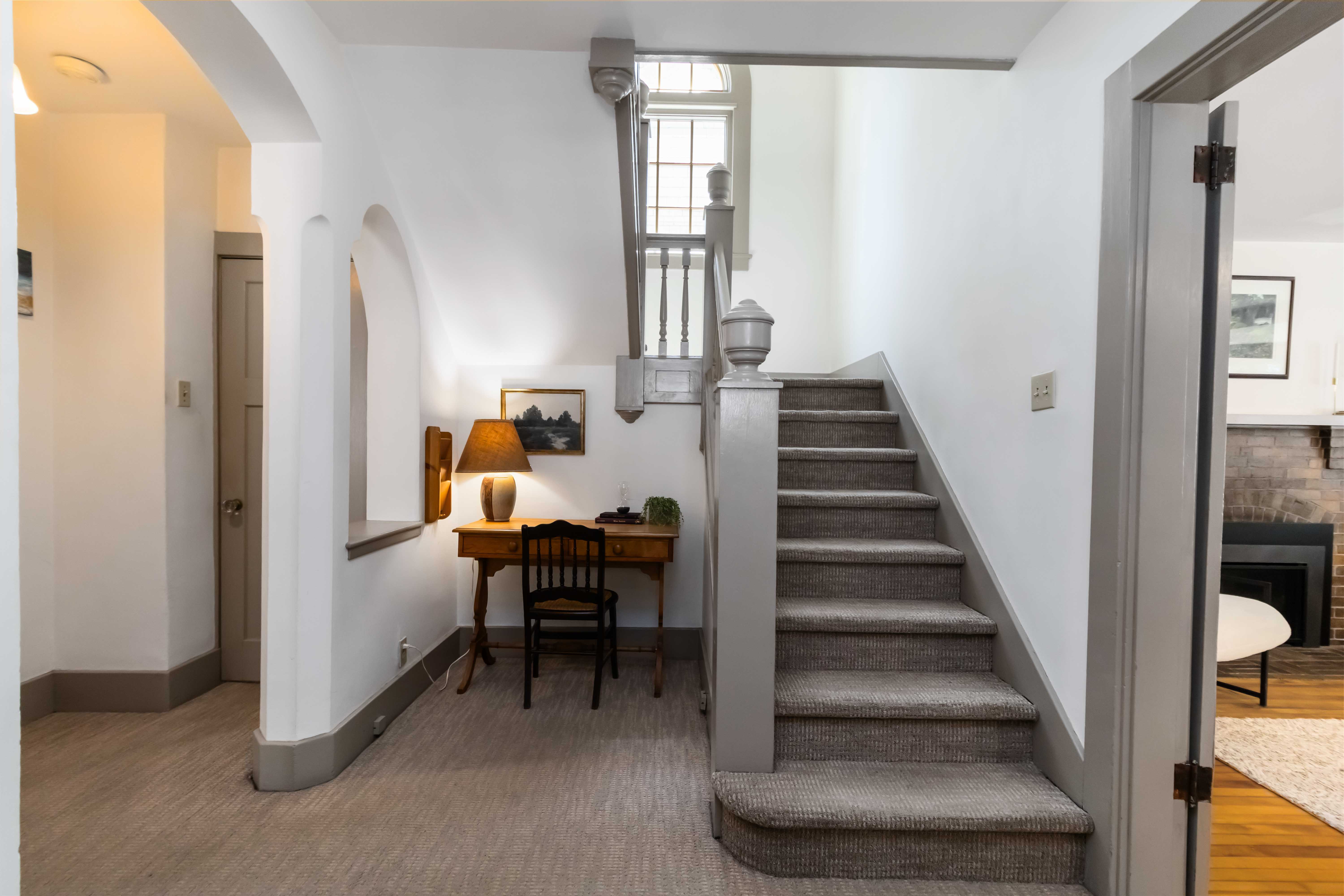
The striking curb appeal is enhanced by its classic 1920s architecture, inviting entryway, and original staircase framed by a stunning window that fills the space with natural light. Inside, the home offers nearly 3,000 square feet of living space across three levels, plus additional storage in the attic.

Main Level: Warmth, Space & Function

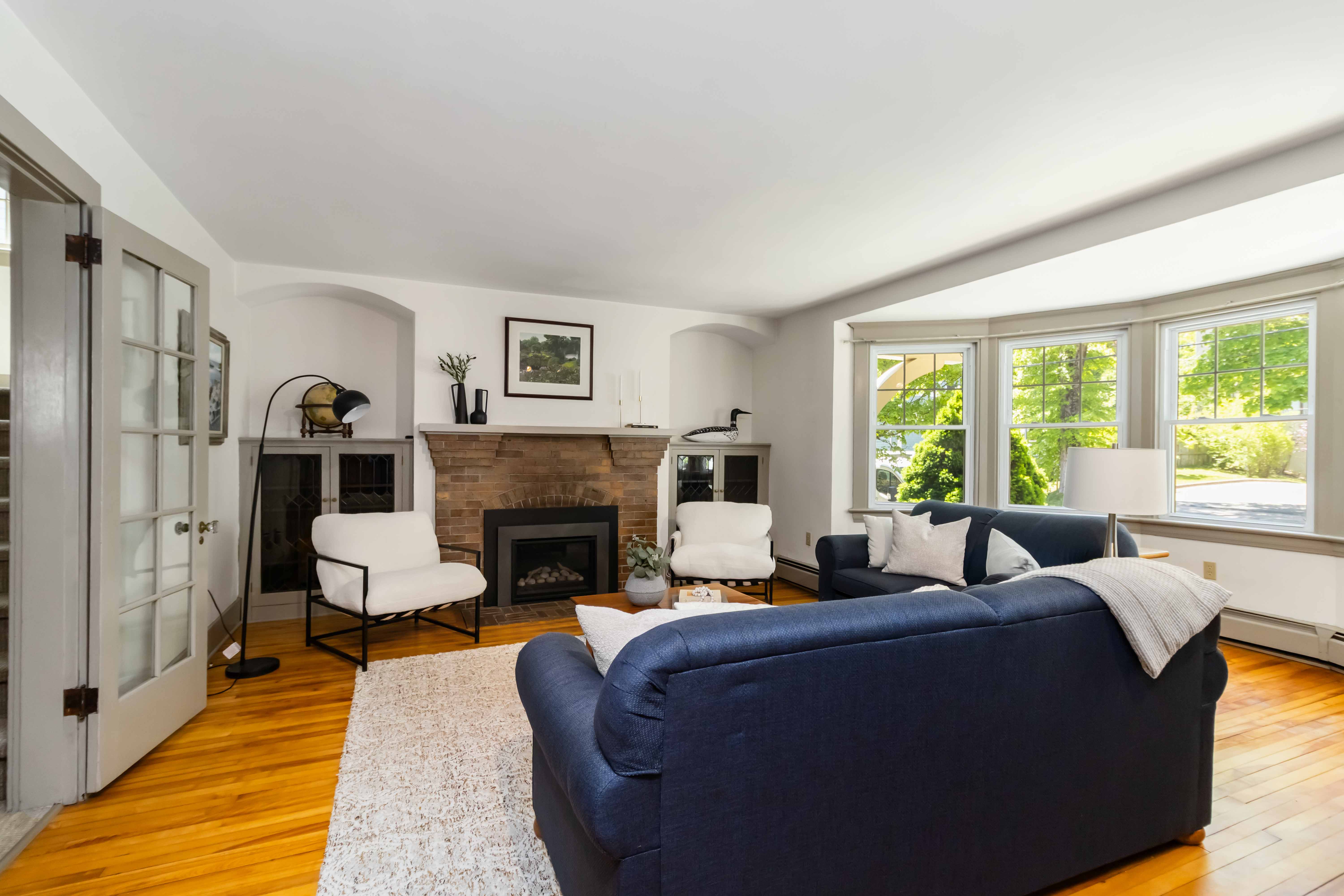
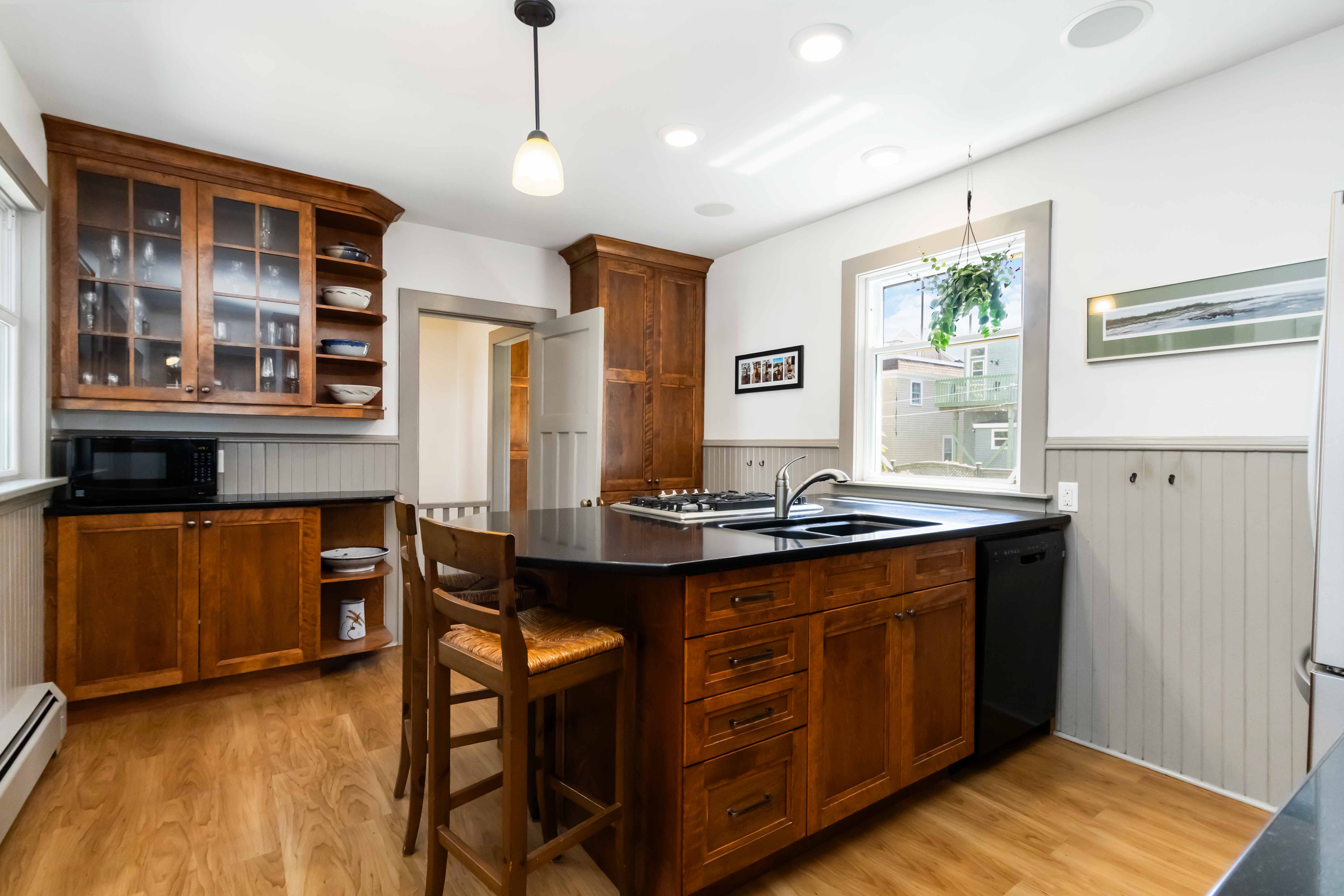
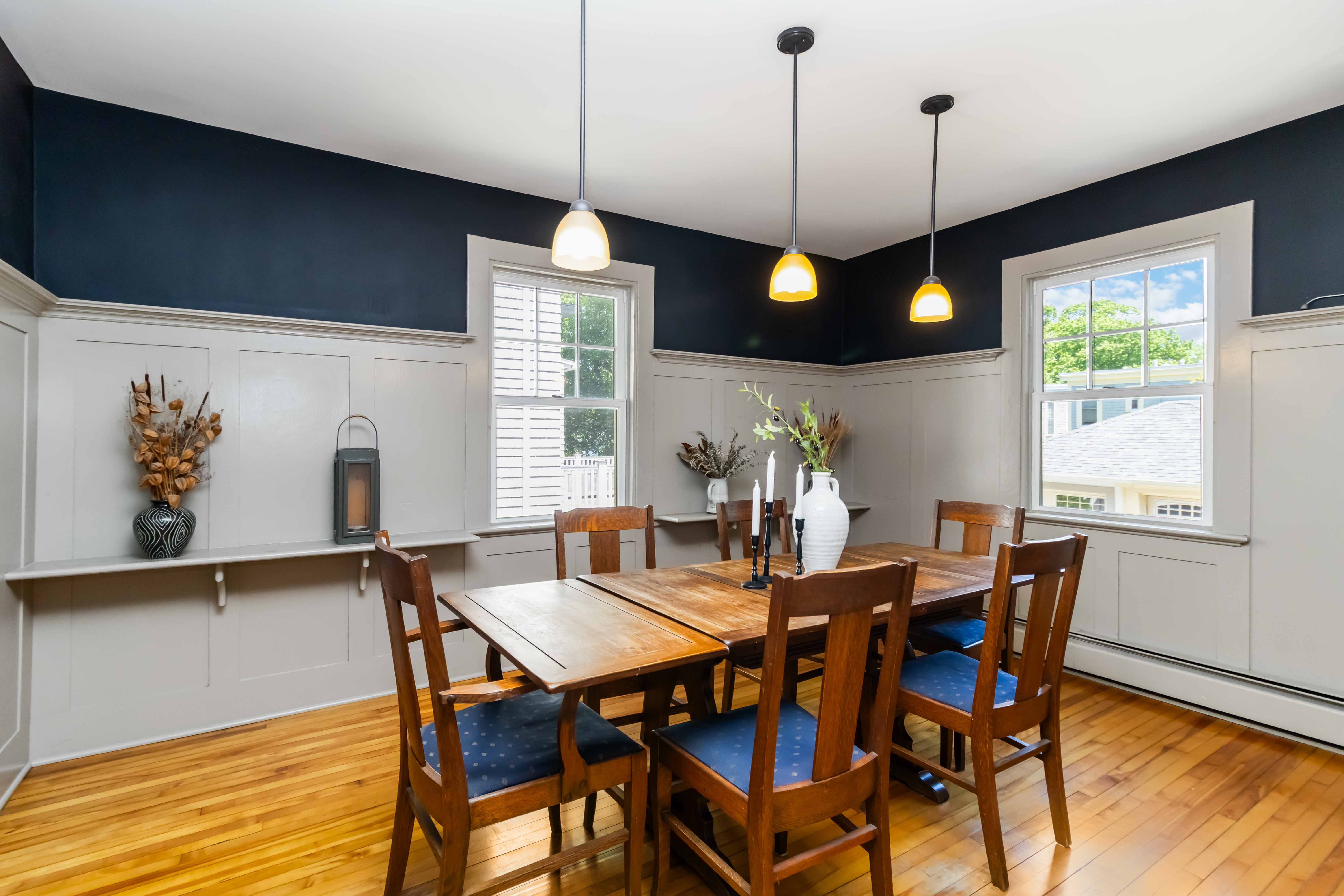
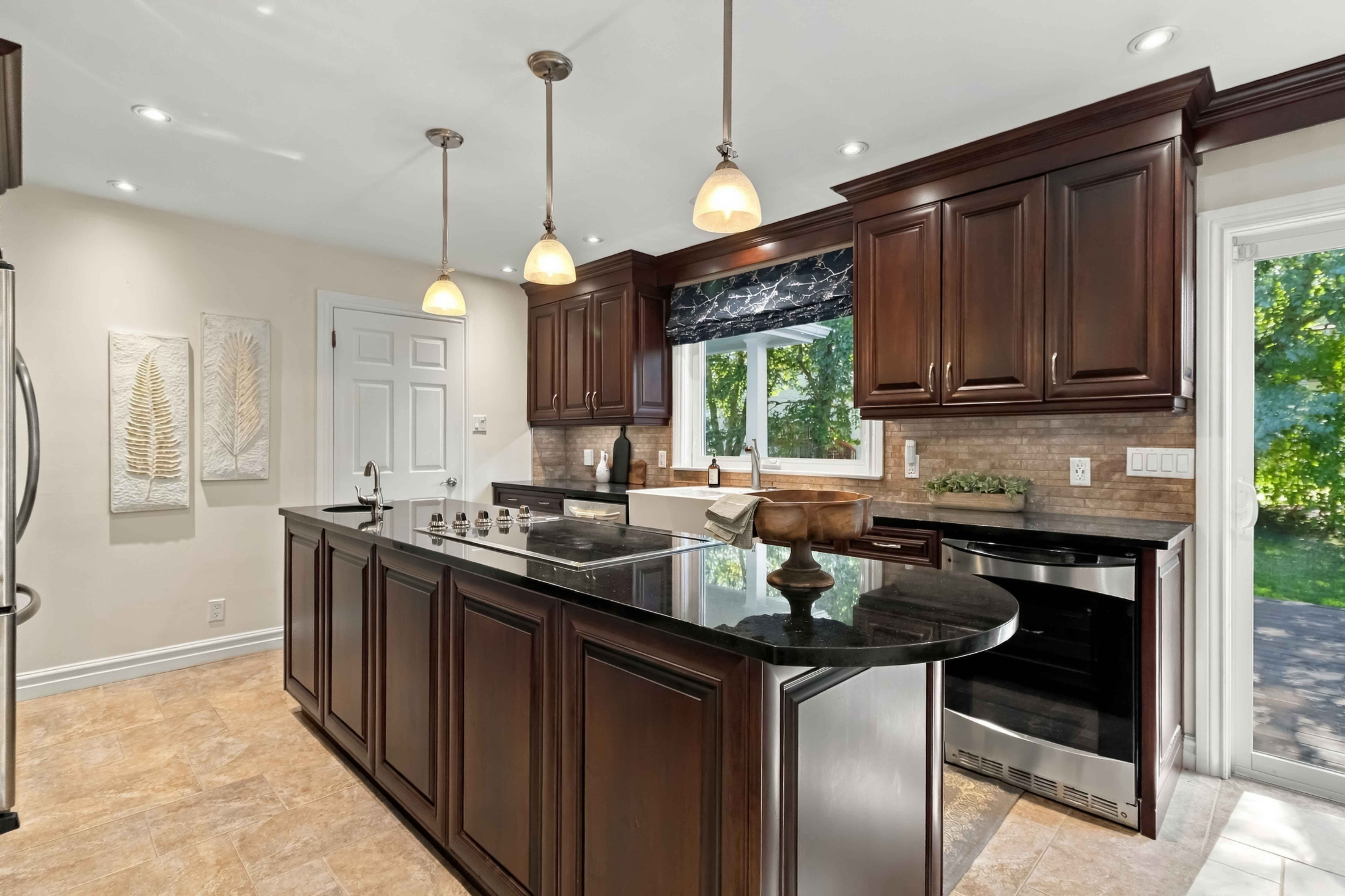
The main floor features a spacious living room accented by a bay window and propane fireplace. A renovated kitchen provides generous counter and cupboard space, complete with a peninsula breakfast bar with an adjacent formal dining area. A convenient powder room completes the main level.

Second Floor: Retreat & Relaxation

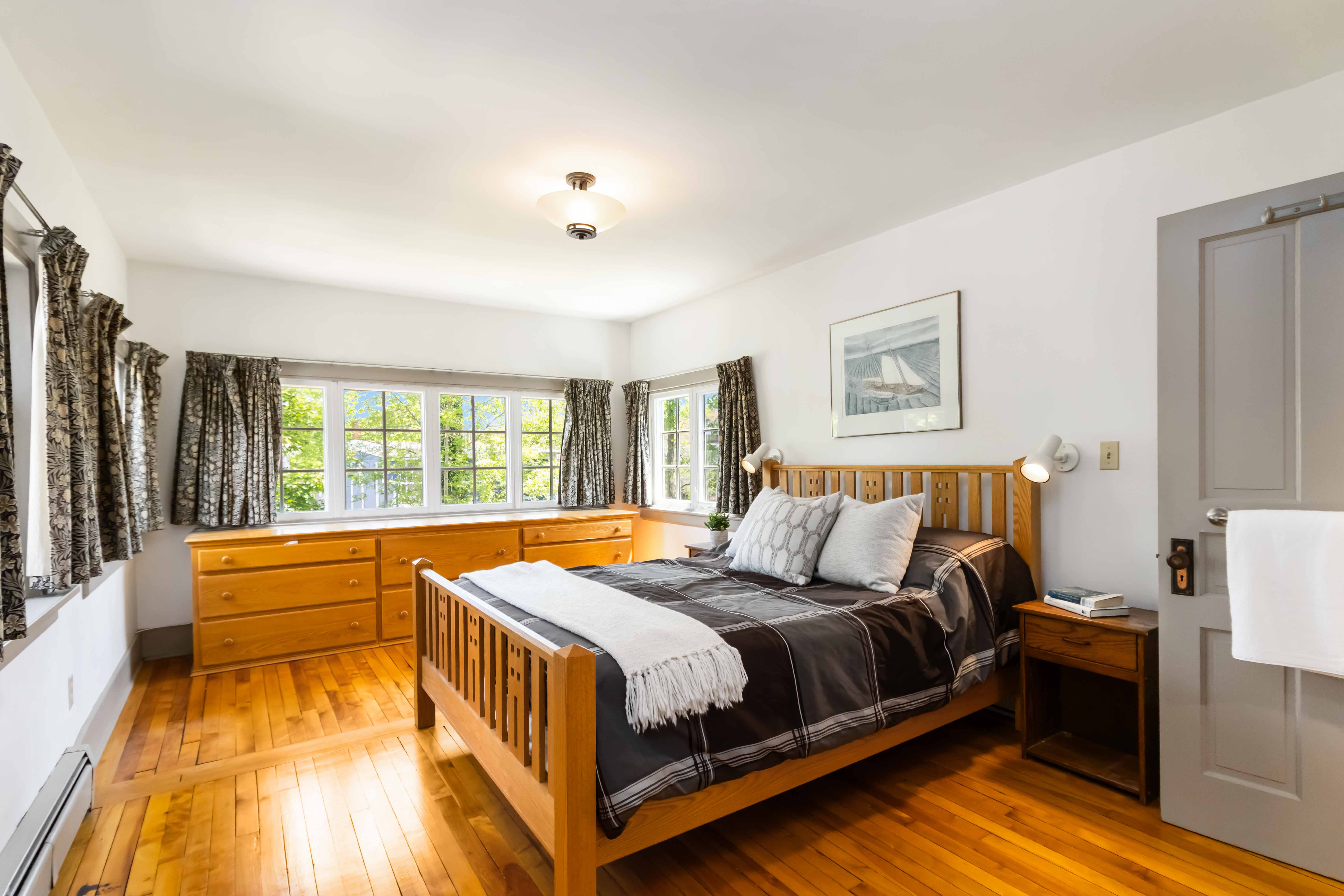
Upstairs, the primary suite offers ample storage and a bright, airy feel, complemented by a private three-piece ensuite. Two additional bedrooms, along with a versatile office or den with built-in bookshelves and a decorative original fireplace, provide flexible living options for families or professionals.

Loft Bonus: Space to Play or Create

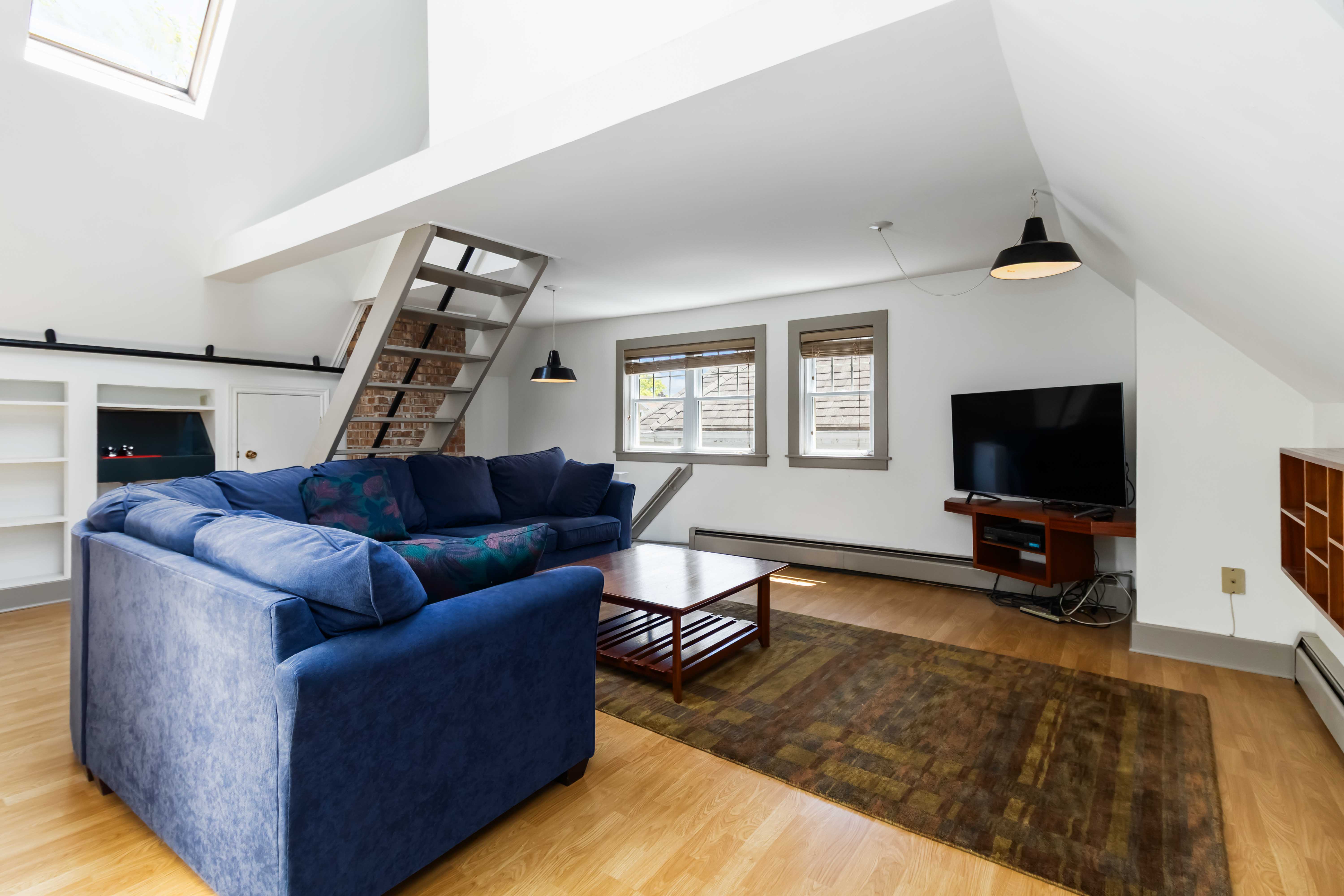
The third level reveals a spacious loft with soaring vaulted ceilings, an ideal recreation space, and two unique loft-style rooms that offer endless possibilities for kids to play or for creative use.

Outdoor Living: Private & Practical

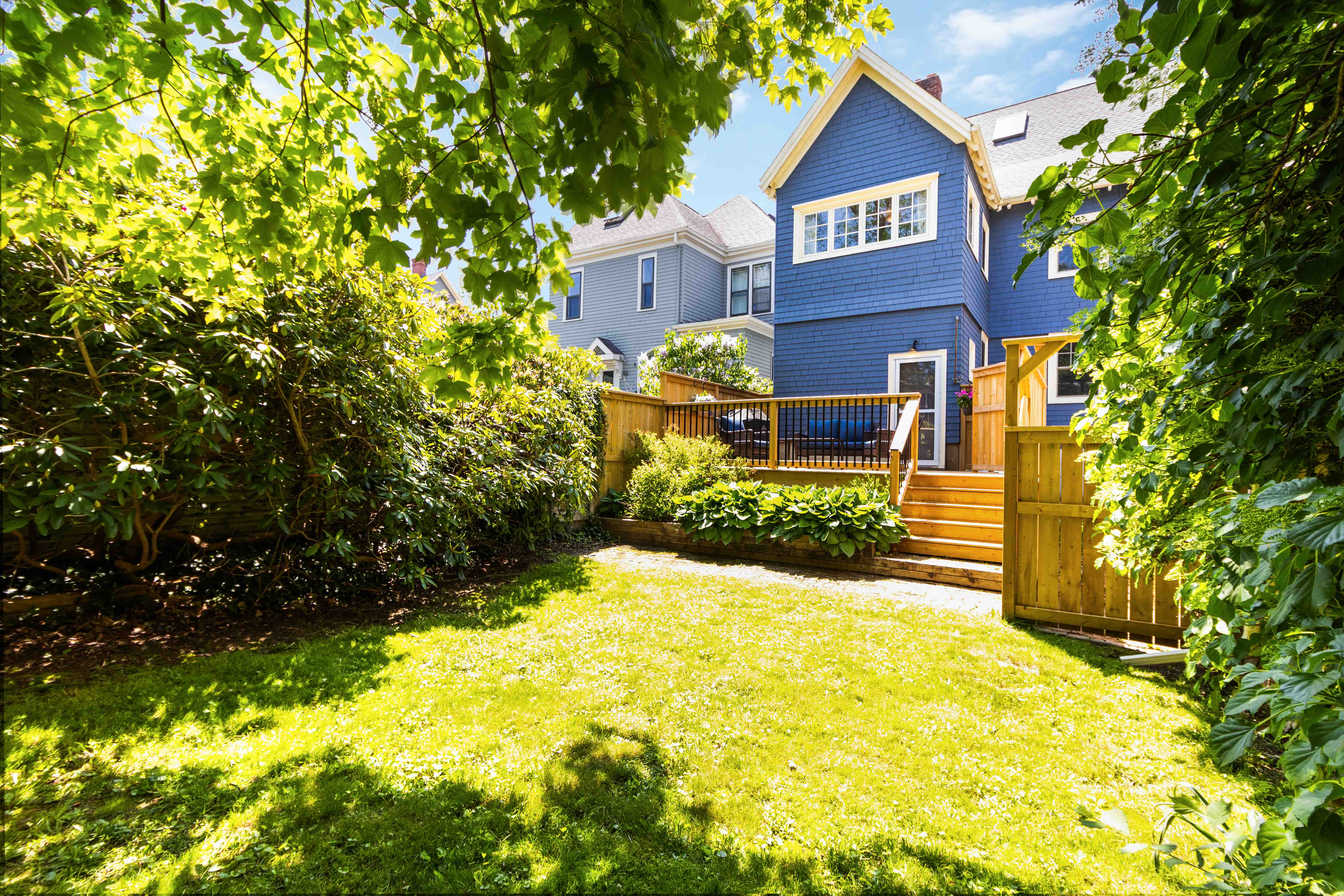
The exterior living space is equally inviting, with a newly renovated deck and a fully fenced, landscaped backyard offering privacy and plenty of room for outdoor enjoyment. A detached single-car garage and additional attic storage ensure practical functionality.

Upgrades That Matter

  • Roof, kitchen, baths, windows, electrical: updated in 2015

  • Propane fireplace (2018), water heater (2022), deck/fence (2024)

  • Chimneys rebuilt, sewer pipe replaced (2024)

  • Fiberglass oil tank with warranty (2014)

Prime Location for Family Life

This home sits within the sought-after LeMarchant-St. Thomas school catchment and is surrounded by fabulous neighbors. You'll enjoy being close to Halifax’s best amenities, green spaces, and vibrant downtown culture, all from a quiet, tree-lined street.

Read

Selling a Home in a Balanced Market: What Halifax Homeowners Need to Know

The Halifax real estate market is entering a phase we haven’t experienced in nearly six years. The chaos of COVID-19 brought an influx of buyers from across Canada and around the world, quickly absorbing housing supply and causing home prices to skyrocket—nearly doubling in record time.

Today, things are starting to normalize. We're returning to a healthier, more balanced housing environment in Halifax, Nova Scotia—one that benefits both buyers and sellers. But in a balanced real estate market, the strategy for selling your home needs to change.


Halifax Housing Inventory Is on the Rise

As of now, inventory is at its highest level since 2019. This shift means buyers have more choice than they’ve had in recent memory. They can take their time, weigh their options, and negotiate terms that work in their favour.

With this in mind, correct pricing is more critical than ever. Overpricing your home in a balanced market will likely result in your property sitting unsold. And if home values in Halifax continue to decline into the fall and winter, you risk having to lower your price repeatedly—essentially chasing the market downward. Listing competitively from the start could ultimately save you thousands.


Preparation Matters More Than Ever

In today’s market, it’s not enough to simply put up a “For Sale” sign and hope for the best. To stand out in a sea of listings, your home needs to shine.

This means:

  • Staging to highlight the home’s best features

  • Landscaping for strong curb appeal

  • Decluttering and depersonalizing for a clean, spacious feel

Additionally, you’ll want a Realtor in Halifax who understands the local market, studies current trends and statistics, and actively collects feedback from every showing. A proactive agent can make all the difference in a balanced or shifting market. 


Let’s Navigate the Halifax Real Estate Market Together

Whether you're planning to sell your home this season or just exploring your options, having the right guidance is essential. The Halifax real estate landscape is changing, and working with someone who understands it can help you make confident, informed decisions.

Feel free to call, text, or email me anytime. I’d be happy to help you make the most of your next move in Halifax, Nova Scotia real estate.

Chris Perkins, Broker/Owner
Coldwell Banker Maritime Realty
902 210 1223
chrisperkins@cbmaritime.ca

Read

Building a Better Place for Good Agents to Work

By Chris Perkins, Broker/Owner – Coldwell Banker Maritime Realty

When I started Coldwell Banker Maritime Realty, my goal wasn’t to build the biggest brokerage — it was to build the right one. I wanted to create a place where experienced, hard-working agents could do their best work with the right level of support behind them.

Over the years, I’ve seen how difficult it can be for Realtors to balance client service, marketing, and administration while still trying to grow their business. Many feel like they’re on their own. That’s something I wanted to change.

What You Can Expect Here

At CB Maritime, we focus on the practical things that help agents succeed:

  • Accessible Broker Support
    You don’t need to book an appointment to get help. I’m available when you need to talk through a deal, review a contract, or get advice on strategy.

  • Training and Guidance That Fit Real Life
    Whether you’re fine-tuning your presentations or looking for ways to generate more repeat business, we offer realistic, hands-on guidance.

  • Reliable Marketing and Lead Tools
    You’ll have access to professional marketing materials, digital tools, and systems that take care of the details, so you can focus on your clients.

  • A Team That Works Together
    Our agents share ideas and support each other. It’s a simple culture built on respect, collaboration, and professionalism.

The Kind of Agent Who Thrives Here

We work best with full-time Realtors who take pride in their craft, care about their clients, and want to keep improving. If that sounds like you, I’d be happy to have a conversation.

Let’s Talk

If you’re considering a change or simply want to see how we work, reach out or visit cbmaritimerealty.com/join-cbmr.

Sometimes the best move in your career is the one that gives you the right kind of support — not more promises, just a better way to work.

Read

New property listed in 14-Dartmouth Montebello, Port Wallace, Keystone, Halifax-Dartmouth

I have listed a new property at 8 Banks Court in Dartmouth. See details here

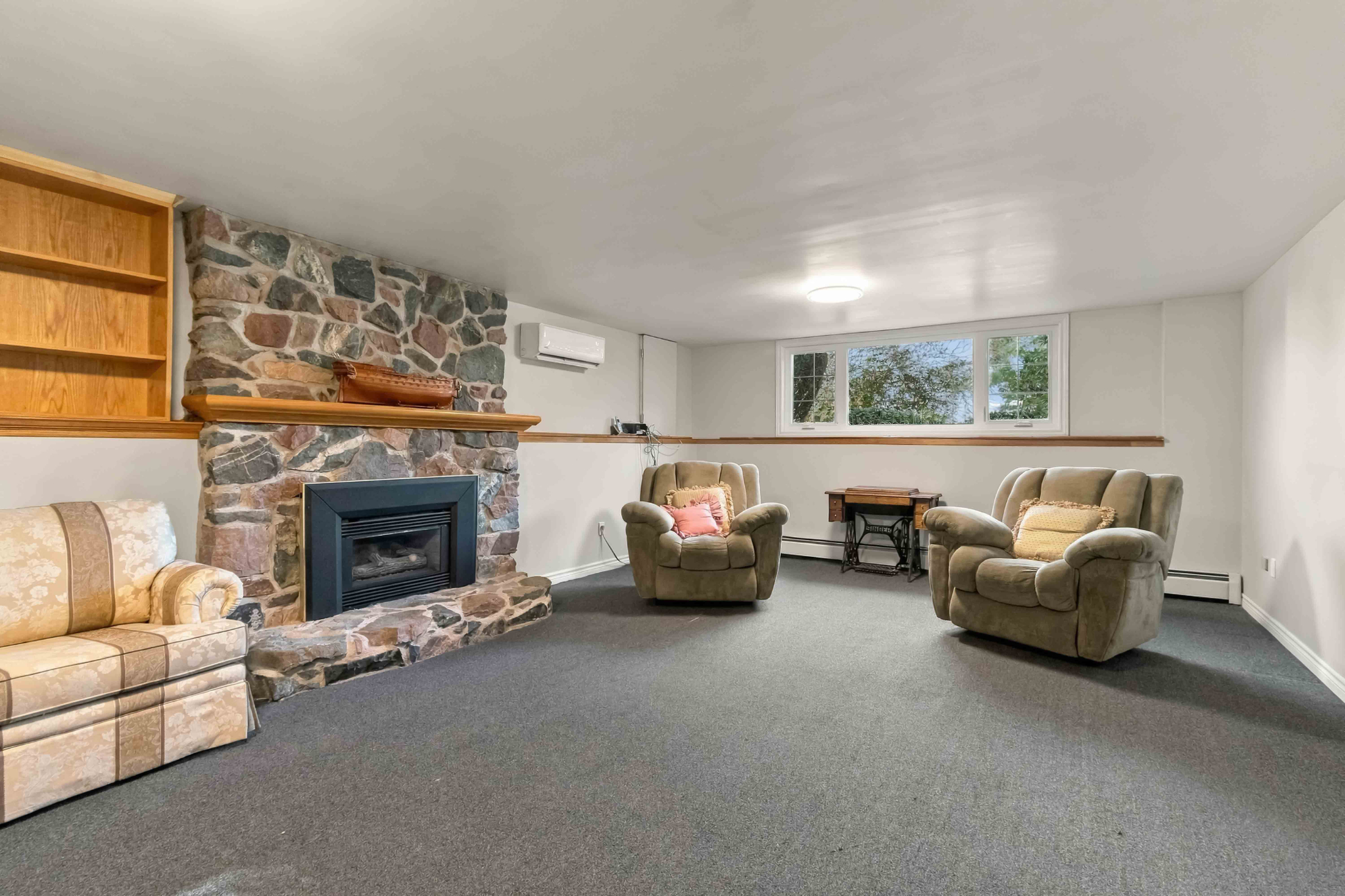
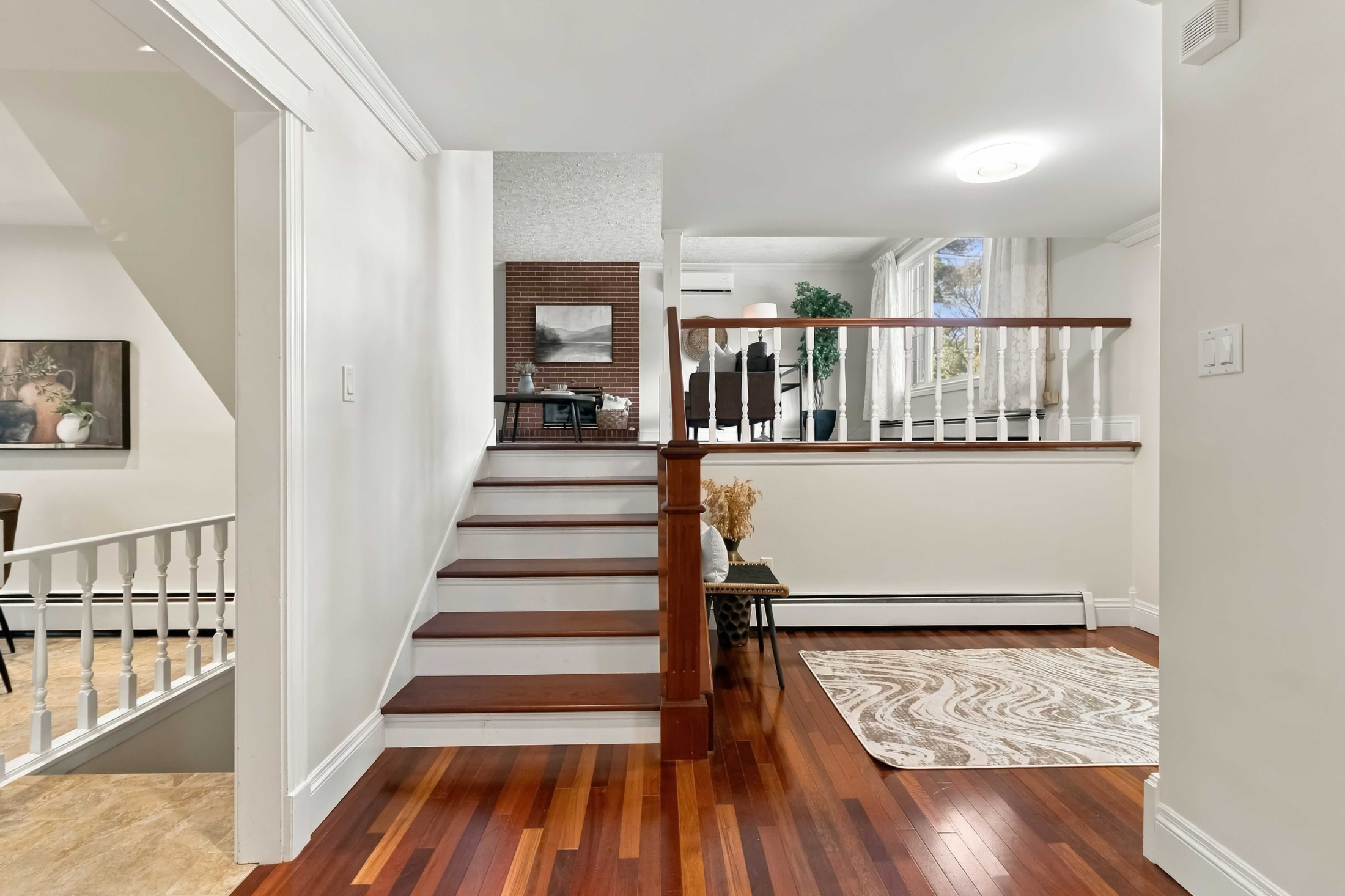
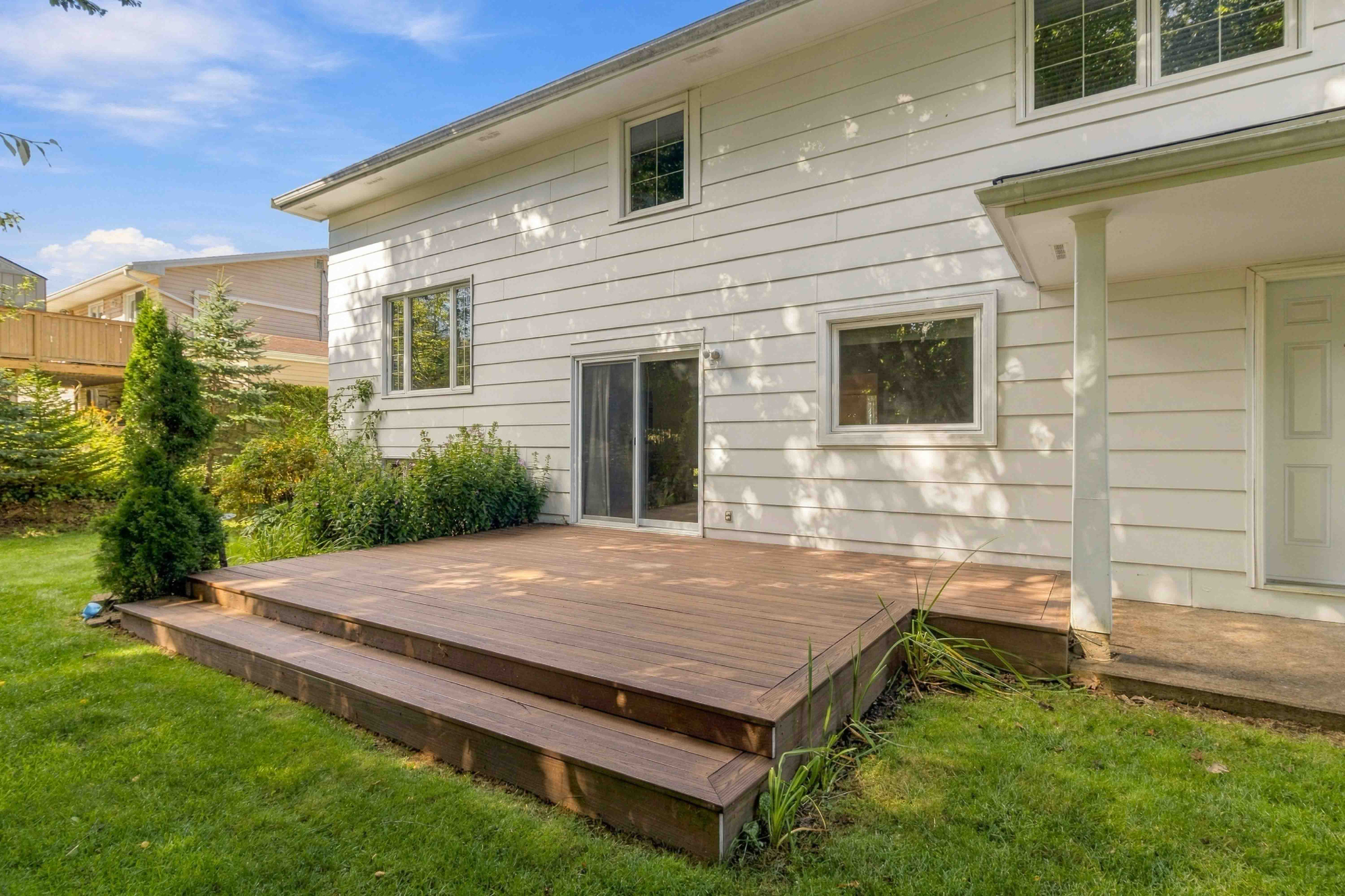
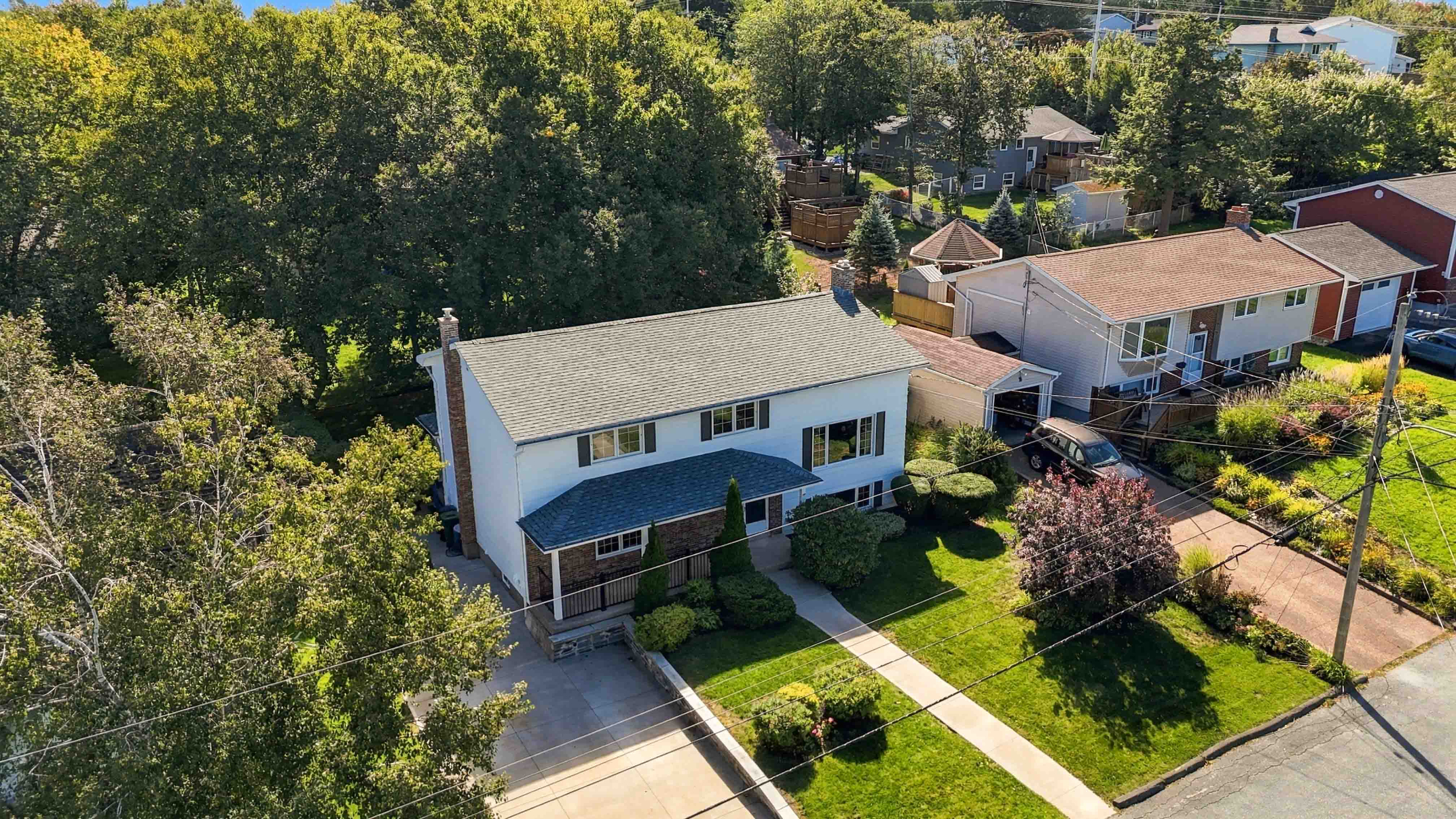
Some homes simply feel different. Solid, considered and exceptionally well cared for, 8 Banks Court is a home where pride of ownership is evident from the moment you walk through the door. Built by Webby Construction, even the details you don’t see every day—from 2x10 floor joists to tongue-and-groove subflooring—reflect the quality of the original build. Its six-level side-split design is wonderfully suited to family life, creating spaces to come together and, just as importantly, room to spread out. At its heart is a custom kitchen with granite counters, thoughtful built-in storage and a casual dining nook opening to the backyard. For the occasions when everyone comes over, the enormous formal dining room and coffered ceiling set the stage for gatherings of all sizes. A few steps up, Jatoba hardwood brings warmth and character to a bright living room centred around the fireplace. Three generous bedrooms and a renovated four-piece bath keep the family together upstairs, while the top floor offers a flexible fourth bedroom, office or playroom. Downstairs, a sun-filled family room with a propane fireplace gives everyone another place to unwind, with two freshly finished rooms below ready for a gym, workshop or whatever comes next. Outside, mature trees create a surprisingly private backyard around the new composite deck. Add 200-amp service, EV readiness, three heat pumps and the thoughtful monitoring and maintenance that has gone into the home, and you begin to understand how it has been cared for. Set on a quiet Keystone Village cul-de-sac close to Shubie Park and schools, the location keeps everyday life remarkably convenient—approximately 10 minutes from Dartmouth Crossing and Mic Mac Mall and just 20 minutes from Halifax Stanfield International Airport. This is a home built for the long haul—and for the family ready to make it theirs.

Read

New property listed in 7-Spryfield, Halifax-Dartmouth

I have listed a new property at 5 Marriott Street in Halifax Regional Municipality. See details here

Welcome to 5 Marriott Street, a warm and inviting split-entry home that has been thoughtfully updated over the years. From the moment you step inside, the spacious front entrance and stylish lighting create a welcoming first impression. The main level features a bright living room with a large picture window, hardwood flooring, a heat pump and a cozy cast-iron wood stove. The updated eat-in kitchen offers updated cabinetry, warm wood countertops, a classic subway-tile backsplash and plenty of space to gather. Two generously sized bedrooms and an updated full bathroom complete this level. Downstairs, you’ll find a comfortable rec room or family room, a third bedroom and a second full bathroom. The flexible lower-level layout also offers the potential to add a fourth bedroom if additional space is needed. Outside, the beautifully landscaped and fully fenced backyard feels like a private retreat. The property features pear, apple and plum trees, mature cedar hedges in the front yard, and large garden boxes—perfect for growing flowers, herbs or vegetables. A remote/scheduled irrigation system services both the front and back garden beds. A large deck off the dining area extends the living space outdoors, while walkout access adds everyday convenience. A new shed provides additional outdoor storage. Other valuable upgrades include a radon mitigation system and many thoughtful improvements completed throughout the home. With its flexible layout, inviting outdoor spaces and extensive updates, 5 Marriott Street is ready to welcome its next owners.

Read

Open House. Open House on Tuesday, September 22, 2026 2:00PM - 4:00PM

Please visit our Open House at 8 Banks Court in Dartmouth. See details here

Open House on Tuesday, September 22, 2026 2:00PM - 4:00PM

Some homes simply feel different. Solid, considered and exceptionally well cared for, 8 Banks Court is a home where pride of ownership is evident from the moment you walk through the door. Built by Webby Construction, even the details you don’t see every day—from 2x10 floor joists to tongue-and-groove subflooring—reflect the quality of the original build. Its six-level side-split design is wonderfully suited to family life, creating spaces to come together and, just as importantly, room to spread out. At its heart is a custom kitchen with granite counters, thoughtful built-in storage and a casual dining nook opening to the backyard. For the occasions when everyone comes over, the enormous formal dining room and coffered ceiling set the stage for gatherings of all sizes. A few steps up, Jatoba hardwood brings warmth and character to a bright living room centred around the fireplace. Three generous bedrooms and a renovated four-piece bath keep the family together upstairs, while the top floor offers a flexible fourth bedroom, office or playroom. Downstairs, a sun-filled family room with a propane fireplace gives everyone another place to unwind, with two freshly finished rooms below ready for a gym, workshop or whatever comes next. Outside, mature trees create a surprisingly private backyard around the new composite deck. Add 200-amp service, EV readiness, three heat pumps and the thoughtful monitoring and maintenance that has gone into the home, and you begin to understand how it has been cared for. Set on a quiet Keystone Village cul-de-sac close to Shubie Park and schools, the location keeps everyday life remarkably convenient—approximately 10 minutes from Dartmouth Crossing and Mic Mac Mall and just 20 minutes from Halifax Stanfield International Airport. This is a home built for the long haul—and for the family ready to make it theirs.

Read

8 Banks Court: A Well-Built Home Designed for Family Life

Some homes stand out because of their finishes. Others stand out because of the way they have been built, maintained, and cared for over time.

At 8 Banks Court in Keystone Village, it’s both.

This six-level side-split was built 45 years ago by Webby Construction and has been thoughtfully maintained ever since. Set on a private 7,596 sq. ft. lot surrounded by mature trees, the home combines solid original construction with updates that make it comfortable and practical for modern family life.

And with six distinct levels, there is something particularly appealing about the way the home gives everyone room to spread out while still keeping the family connected.

A Kitchen Designed Around Real Life

The main level begins with a generous foyer leading into a custom kitchen that balances appearance with function.

Granite countertops, quality Kenmore appliances, built-in drawers, and carefully considered storage make the kitchen as practical as it is inviting. A casual dining nook sits alongside patio doors overlooking the backyard, creating an easy connection between the kitchen and outdoor space.

The adjacent laundry room and powder room add another layer of convenience, with direct access toward the backyard.

For larger gatherings, the formal dining room takes things to another level—literally and figuratively. The room is exceptionally spacious, with a coffered ceiling and more than enough room for a full table, family dinners, holiday celebrations, and guests.

Warm, Bright Living Spaces

A few steps up from the main level, the living room offers a completely different feel.

Large windows bring in plenty of natural light, while the fireplace creates a natural centre point for the room. Underfoot, beautiful Jatoba hardwood adds warmth, character, and durability.

Jatoba is an exceptionally dense Brazilian hardwood known for its rich colour and durability, and it gives this space a distinctive finish that is increasingly uncommon in newer homes.

Upstairs, three generously sized bedrooms provide comfortable private space for family members, each with ample storage. A renovated four-piece bathroom serves the level.

At the top of the home, another flexible room provides even more possibilities. Depending on what your family needs, it could function as a fourth bedroom, home office, playroom, gym, creative space, or quiet retreat.

Six Levels. More Ways to Live.

The side-split design really comes into its own on the lower levels.

A bright family room features a custom window that brings in an abundance of natural light, along with a propane fireplace and enough space to create both a dedicated TV area and additional room for games, toys, or another sitting area.

Below that, two additional rooms have just been freshly painted and fitted with new flooring. They're ready to become whatever the next owner needs—perhaps a home gym, workshop, hobby room, storage area, or another dedicated space for family life.

It's one of the home's biggest advantages: rather than having one large basement space that has to serve every purpose, the six-level layout naturally creates separation between different areas of the home.

Quality You Can See—and Quality You Can't

Much of what makes 8 Banks Court special isn't necessarily visible in the listing photos.

The original construction by Webby Construction included 2x10 floor joists and tongue-and-groove flooring topped with plywood—details that speak to the quality and solidity of the home's construction.

The current owners have continued that same attention to detail with preventative maintenance and practical upgrades.

The home features a five-zone oil boiler, three heat-pump heads with recently replaced core components, 200-amp electrical service, and EV-charger readiness.

There's also a security system designed to monitor more than just the usual alarms, including oil leaks, water leaks, and fluctuations in temperature.

These aren't necessarily the features that grab attention in a first photograph, but they are the kinds of details that can make a meaningful difference in the long-term ownership of a home.

A Private Backyard in Keystone Village

Outside, the 7,596 sq. ft. lot provides something increasingly valuable: privacy.

Mature trees surround the property, creating a peaceful backdrop and giving the backyard a surprisingly secluded feel. A new composite deck extends the home's living space outdoors, providing an easy spot for summer dinners, morning coffee, or simply enjoying the yard.

And because Banks Court is a quiet cul-de-sac, the setting feels removed from the pace of a busy road while remaining close to the amenities of Dartmouth.

Connected to What Matters

Keystone Village offers an established residential setting with parks, playgrounds, recreation, and public transit nearby.

Shubie Park is just minutes away, while Dartmouth Crossing provides convenient access to shopping, restaurants, services, and everyday amenities.

For families, the surrounding area also provides access to English, French Immersion, and CSAP school options.

It's a location that makes it easy to enjoy the quieter side of Dartmouth without feeling disconnected from the rest of the city.

A Home Built for the Long Haul

After 45 years, 8 Banks Court still has the qualities that made it a well-built home in the first place.

The construction is solid. The spaces are generous. The updates are meaningful. And the six-level layout gives today's family plenty of flexibility to live, work, play, host, and grow.

Perhaps most importantly, the home has clearly been cared for.

From the details behind the walls to the freshly finished lower levels, the private backyard, and the thoughtful updates throughout, 8 Banks Court offers something that can be difficult to find: a home where the quality of the original build and the pride invested in it over the years are both evident.

A solid, spacious, private Dartmouth home with the flexibility to adapt as life changes.

Interested in 8 Banks Court?

For more information or to arrange a private viewing, contact Chris Perkins at Coldwell Banker Maritime Realty.

Thinking about making a move but need to sell your current home first? Chris can also help coordinate the next steps, from preparing your home for market to connecting you with trusted professionals along the way.

Read
Categories:   1-Halifax Central, Halifax-Dartmouth Real Estate | 10-Dartmouth Downtown to Burnsid, Halifax-Dartmouth Real Estate | 10-Dartmouth Downtown to Burnside, Halifax-Dartmouth Real Estate | 102N-North Of Hwy 104, Northern Region Real Estate | 103-Malagash, Wentworth, Northern Region Real Estate | 104-Truro/Bible Hill/Stewiacke, Northern Region Real Estate | 105-East Hants/Colchester West, Halifax-Dartmouth Real Estate | 107-Trenton, Westville, Pictou, Northern Region Real Estate | 108-Rural Pictou County, Northern Region Real Estate | 11-Dartmouth Woodside, Eastern P, Halifax-Dartmouth Real Estate | 11-Dartmouth Woodside, Eastern Passage, Cow Bay, Halifax-Dartmouth Real Estate | 12-Southdale, Manor Park, Halifax-Dartmouth Real Estate | 13-Crichton Park, Albro Lake, Halifax-Dartmouth Real Estate | 14-Dartmouth Montebello, Port Wallace, Keystone, Halifax-Dartmouth Real Estate | 15-Forest Hills, Halifax-Dartmouth Real Estate | 16-Colby Area, Halifax-Dartmouth Real Estate | 17-Woodlawn, Portland Estates, N, Halifax-Dartmouth Real Estate | 17-Woodlawn, Portland Estates, Nantucket, Halifax-Dartmouth Real Estate | 2-Halifax South, Halifax-Dartmouth Real Estate | 20-Bedford, Halifax-Dartmouth Real Estate | 201-Sydney, Cape Breton Real Estate | 207-C.B. County, Cape Breton Real Estate | 21-Kingswood, Haliburton Hills, Hammonds Pl., Halifax-Dartmouth Real Estate | 21-Kingswood, Haliburton Hills,, Halifax-Dartmouth Real Estate | 26-Beaverbank, Upper Sackville, Halifax-Dartmouth Real Estate | 3-Halifax North, Halifax-Dartmouth Real Estate | 30-Waverley, Fall River, Oakfiel, Halifax-Dartmouth Real Estate | 30-Waverley, Fall River, Oakfield, Halifax-Dartmouth Real Estate | 305-Richmond County / St. Peters & Area, Highland Region Real Estate | 306-Inverness County / Inverness, Highland Region Real Estate | 31-Lawrencetown, Lake Echo, Porters Lake, Halifax-Dartmouth Real Estate | 35-Halifax County East, Halifax-Dartmouth Real Estate | 4-Halifax West, Halifax-Dartmouth Real Estate | 40-Timberlea, Prospect, St. Marg, Halifax-Dartmouth Real Estate | 40-Timberlea, Prospect, St. Margaret's Bay, Halifax-Dartmouth Real Estate | 405-Lunenburg County, South Shore Real Estate | 406-Queens County, South Shore Real Estate | 407-Shelburne County, South Shore Real Estate | 5-Fairmount, Clayton Park, Rockingham, Halifax-Dartmouth Real Estate | 6-Fairview, Halifax-Dartmouth Real Estate | 7-Spryfield, Halifax-Dartmouth Real Estate | 8-Armdale/Purcell's Cove/Herring Cove, Halifax-Dartmouth Real Estate | 9-Harrietsfield, Sambr And Halib, Halifax-Dartmouth Real Estate | Annapolis County, Annapolis Valley Real Estate | County Pubnico, Yarmouth Real Estate | Hants County, Annapolis Valley Real Estate | Kings County, Annapolis Valley Real Estate